
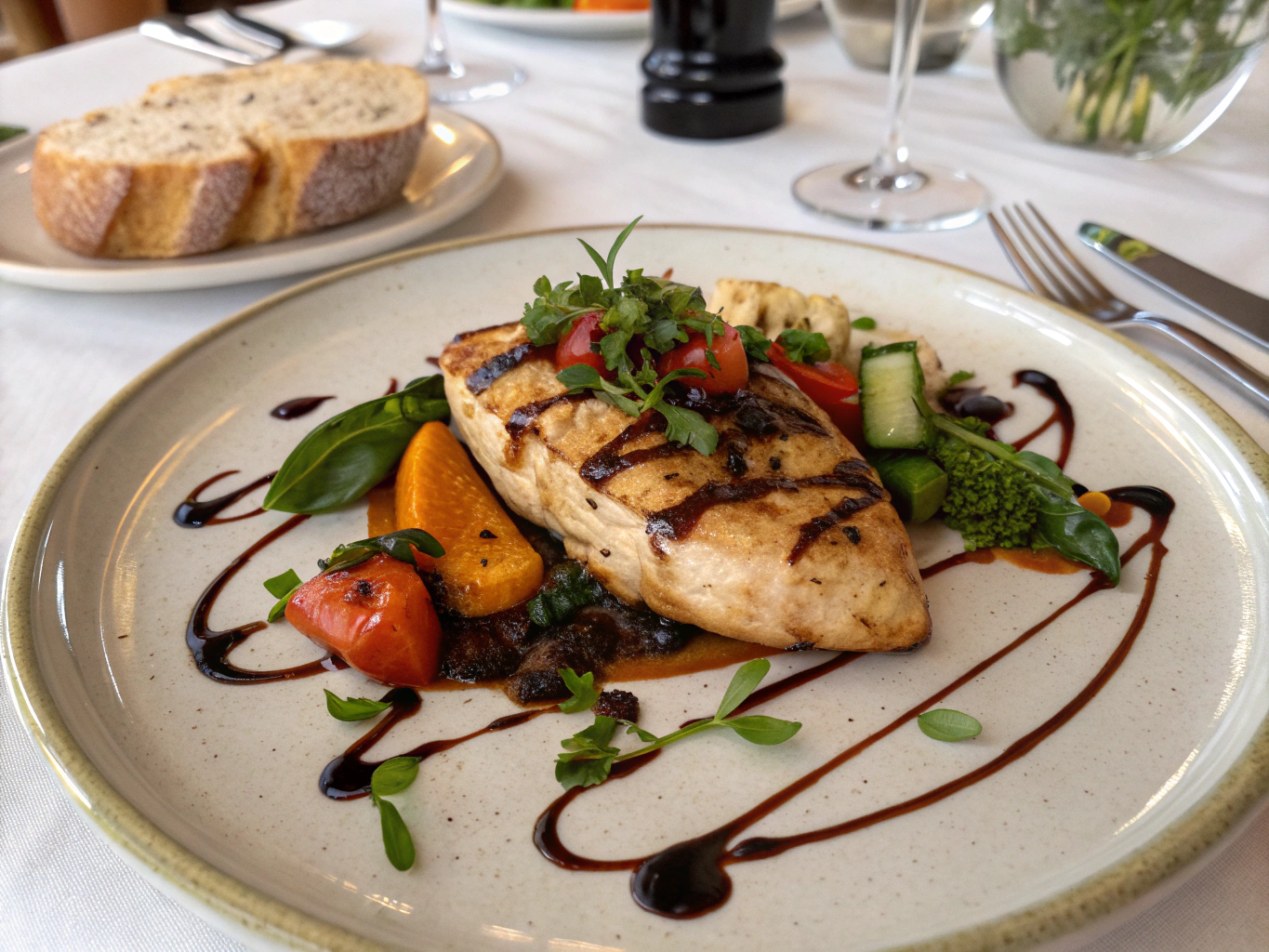
Before we dive into marinating, searing, and savoring this delicious recipe, here’s what you can expect from this guide. We’ll start with a heartfelt story tied to this flavorful dish, followed by a step-by-step breakdown of ingredients, prep, and cooking instructions. Then we’ll explore variations and serving ideas, answer some frequently asked questions, and close it all out with a meaningful wrap-up. This guide will help you nail the perfect balsamic chicken with every batch—even if your only cookware is a skillet and your best critic is a smoke detector.
My Charleston Story Behind Balsamic Chicken
A Recipe Rooted in Memories
Balsamic chicken brings back a flood of warm memories for me. Picture this: Charleston summer evenings, wraparound porch swaying, my grandmother’s cast-iron always sizzling. She didn’t use recipes—just instincts. When I started FlavivoRecipes.com, I made a promise: to keep her soulful style alive in every dish I shared.
The first time I cooked balsamic chicken, I was attempting to impress guests at a potluck. I coated the chicken in a mixture of tangy vinegar, sweet honey, and garlic, not realizing I had just created a recipe that would become my signature. That caramelized glaze, crispy edges, and juicy center? It tasted like courage—and home.
Building Bold Flavor from Familiar Staples
The beauty of balsamic chicken lies in its simplicity. It’s one of those magical dishes where a handful of everyday pantry staples turn into something mouthwateringly gourmet. The balsamic vinegar creates depth, the garlic lends spice, and a touch of honey balances everything out.
Back then, I didn’t have fancy gear or a double oven. Heck, I didn’t even have a meat thermometer. But I had my cast-iron and my sense of smell. Every time I cook this dish now, I’m reminded that great food doesn’t need expensive gadgets—it just needs heart, curiosity, and a little patience.
Whether I’m testing variations for the blog or just making a quick weeknight dinner, balsamic chicken always joins my short list of easy flavor-packed meals that satisfy every time. Ready to try your own twist? Let’s get to it.
The Ultimate Balsamic Chicken Recipe Breakdown
Ingredients List: Simple, Flavorful, Customizable
A winning balsamic chicken starts with quality ingredients and a touch of flexibility.
| Ingredient | Notes & Substitutions |
|---|---|
| 4 Boneless Skinless Chicken Breasts | Substitute with boneless thighs for more richness |
| 1/4 cup Balsamic Vinegar | Use a quality aged vinegar for deeper flavor |
| 2 tbsp Honey or Maple Syrup | Agave works as a substitute if vegan |
| 2 tbsp Olive Oil | Avocado oil is also great for high-heat cooking |
| 4 Garlic Cloves (minced) | Alternate: 1.5 tsp garlic powder |
| Salt & Cracked Black Pepper | To taste |
| Fresh Basil (optional) | Adds color and freshness to finish |
Timing: Less Than An Hour to the Table
You won’t need all night to get this done. Great for weeknights, balsamic chicken is quick but flavorful.
- Prep Time: 10 minutes
- Marinate Time: 20 minutes (optional but recommended)
- Cooking Time: 15–20 minutes
- Total Time: About 45 minutes
That’s faster than most casseroles and still packs a gourmet punch.
Step-by-Step Instructions for Juicy Perfection
- Tenderize & Season: Pound the chicken with a mallet for even thickness. Season both sides with salt and pepper.
- Mix the Marinade: In a bowl, whisk together balsamic vinegar, honey, olive oil, and minced garlic.
- Marinate the Chicken: Pour marinade over chicken in a bowl or zip-top bag. Let it sit for 20 minutes or overnight in the fridge.
- Sear It Right: Heat a skillet over medium-high. Add a drizzle of oil, then lay your chicken flat. Don’t overcrowd the pan.
- Cook to Color: Sear 5–7 minutes on each side. Spoon extra marinade over as you go. The sugars will help form a gorgeous brown crust.
- Check Temperature: Chicken is done when its center hits 165°F. Use an instant-read thermometer for best results.
- Rest and Garnish: Let chicken rest at least 5 minutes. Top with fresh basil for a bright finish.
Still wondering how balsamic vinegar affects nutrition? This USDA balsamic vinegar profile outlines its calorie, sugar, and acetic acid content to support balanced cooking.
Making It Your Own and What to Serve With It
Flavor-Twists to Try Out
Balsamic chicken is wildly flexible. It lends itself to sweet, spicy, or herby interpretations. Add Dijon for a French kick or red pepper flakes for some heat. Swap garlic for shallots or toss in some roasted cherry tomatoes to create depth and earthiness with minimal effort.
Looking for a plant-based riff? Consider using tempeh, as I did in my balsamic-marinated easy vegan tempeh strips recipe. The technique is the same—just the base protein changes.
Another method I love comes straight from one of my early pop-up dinners: adding a splash of orange juice to the marinade adds brightness and sweetness that makes it undeniably fresh.
Side Dishes That Steal the Show
Pairing is part of the magic. Balsamic chicken’s sweet-savory glaze complements a huge range of sides.
Some pairing favorites include:
- Creamy mashed potatoes
- Rustic polenta
- Roasted balsamic Brussels sprouts
- Quinoa and chickpea salad like this summer bowl
- Garlic butter green beans
For a low-carb option, try a cauliflower mash or crispy zucchini fritters. No matter what you choose, keep the focus on whole flavors.
Additional Ways to Cook and Serve Balsamic Chicken
Baking vs. Grilling: What Method’s Best?
You don’t have to fire up the grill every time. Baking this chicken at 400°F for 25–30 minutes keeps things low-maintenance. It’s perfect if you’re multitasking dinner while helping the kids or finishing that last work email.
Grilling, however, adds a smoky backyard flavor that marries beautifully with balsamic. Use medium-high heat and oil the grates lightly so nothing sticks.
I’ve even air-fried bite-sized marinated chicken for protein-rich balsamic chicken bowls over farro and greens.
Substitutions and Storage
Got leftovers? They keep well for 4 days in the fridge. Reheat gently to preserve moisture—and the glaze.
Want to go dairy-free? No need to worry—this dish is naturally milk-free. Gluten-free? The base is safe too. Just ensure any add-ons or sides (like pasta or bread) meet your dietary needs.
And if you’re meal prepping for the week, double the batch. Use leftovers in wraps, sandwiches, or atop a salad like the one featured in my balsamic fig grain bowl recipe on the site.
FAQs
What does balsamic chicken taste like?
It’s a balance of tangy, sweet, and savory. The balsamic adds deep, mellow acidity while honey smooths out the zing. When combined with garlic and browned chicken, you get a glazed, juicy piece of meat with a slightly caramelized finish.
How do you make balsamic chicken sauce from scratch?
Combine balsamic vinegar, honey or maple syrup, oil, and minced garlic. Simmer that mixture and reduce by half if you want a glaze-style sauce. It thickens naturally from the sugars.
Can I bake balsamic chicken instead of grilling it?
Absolutely. Bake at 400°F for about 25–30 minutes. Pour extra marinade on top before baking for additional moisture and flavor.
What sides go best with balsamic chicken?
Mashed potatoes, roasted veggies, grain salads, steamed greens, or even buttery pasta types pair really well. The glaze plays nicely with creamy or herby sides.
Conclusion
Balsamic chicken is more than just a solid dinner option—it’s a canvas. Whether you’re a confident home cook or just finding your culinary groove, this dish offers reliability with a chance for flair. My grandmother taught me to trust intuition in the kitchen, and this recipe captures that balance: rooted in comfort, open to creativity.
Want to play even more? Serve it over soft polenta or stack it in a ciabatta roll with a smear of pesto. However you plate it, you’ll be anchoring a memorable meal with bold, comforting flavor.
So grab your skillet, whisk that marinade, and let yourself create magic with this unforgettable balsamic chicken.