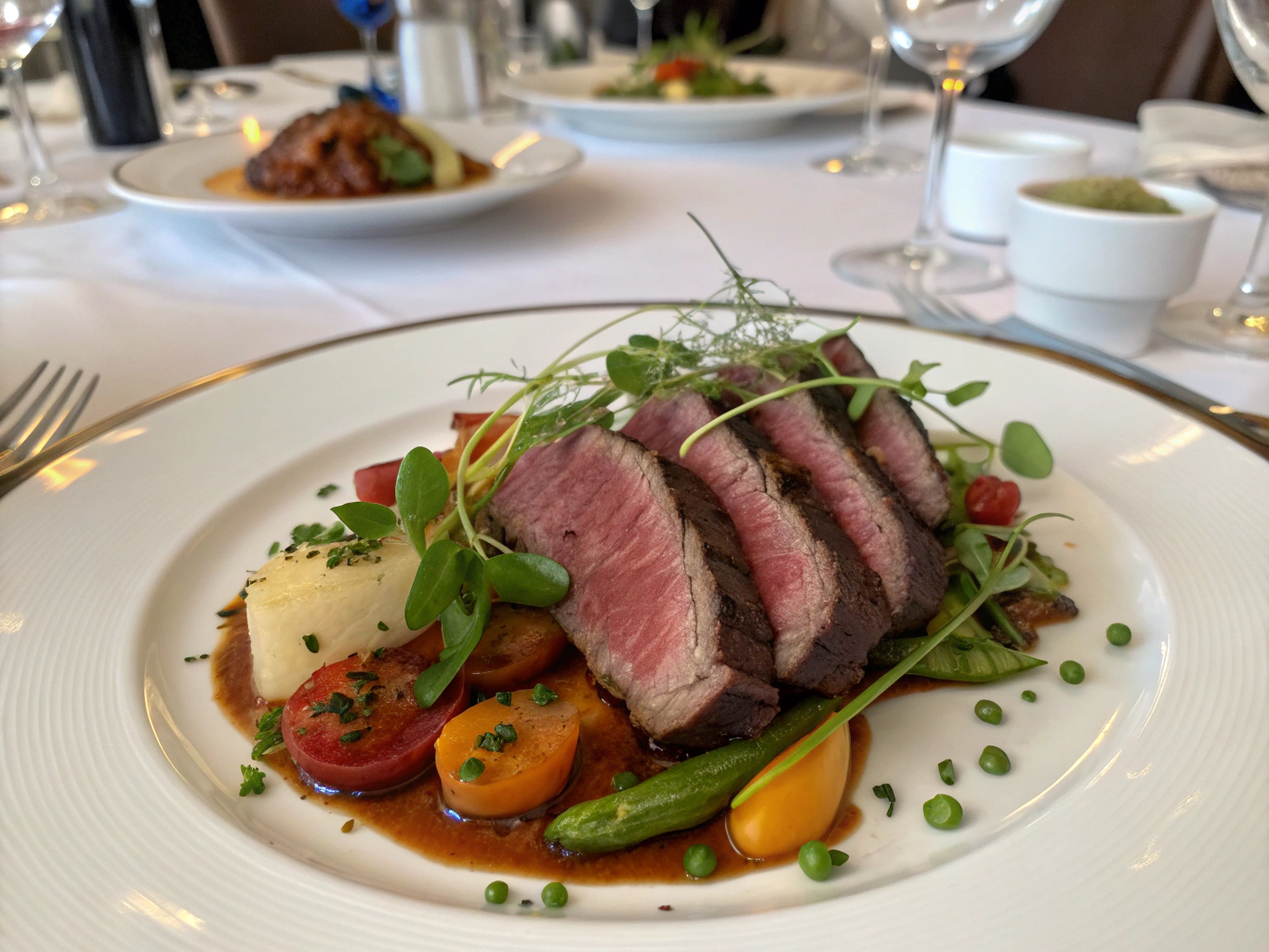
Cooking beef perfectly can be daunting, especially when you’re staring at a meat thermometer and wondering what each number really means. Whether grilling ribeyes or slow-roasting a pot roast, achieving ideal beef temps is the secret to juicy, safe, and flavorful meals. In this guide, we’ll dive into everything from temperature stages to doneness levels, showing you how to make sense of numbers like 135 or 165°F. We’ll also share a comforting beef recipe you can master right at home—with a personal touch from my kitchen to yours.
My Beef Journey: Where Memories Meet Meat Thermometers
Comfort Food Starts with Family
I’m MacMar, and like many southern cooks, my culinary roots go back to my grandmother’s kitchen in Charleston. She didn’t own a thermometer, and truthfully, she didn’t need one. Her experience lived in her senses—the way beef sizzled, the scent that lingered when the roast was “just right.” I remember watching the oven door fog up while she’d nudge a chuck roast with the back of a fork and smile. No fancy gadgets. Just intuition.
Today, I honor her spirit but admit—I’ve come to love my meat thermometer. Cooking for friends at potlucks or testing new dishes for FlavivoRecipes, I’ve learned that nailing beef temps isn’t just about doneness—it’s about preserving the soul of the dish. Whether you’re going for medium rare or fully done, precision brings consistency. And knowing what happens at each temperature zone can turn a meal from decent to unforgettable.
Why Beef Temps Matter for Every Cook
Knowing your beef temps is the key to unlocking flavor, safety, and satisfaction. Undercook a steak, and you risk texture issues or worse—foodborne illness. Overdo a prime rib, and you’re left with dry disappointment. You don’t need culinary school to master doneness; just understanding the basics can change your cooking game.
When developing my southern-style stuffed cabbage rolls, I experimented with internal beef temps for that perfect, tender bite. The result was a comforting classic made modern.
With each recipe I share, I include clear internal temperature guidelines. Whether slow-braising ribs like in my slow cooker Korean short ribs or searing beef medallions, understanding temperature timing means more flavor, less guesswork—and fewer smoke alarms going off.
Let’s dig into what every home cook needs to know about beef temps and how you can master them without breaking a sweat—or a meat thermometer.
Mastering Beef Temps at Home: A Flavor-Loving Guide
What Do Beef Temps Mean?
Beef temperatures refer to the internal doneness level of your meat. Each stage—from rare to well-done—has a corresponding temp range. These aren’t just arbitrary numbers—they help define everything from texture and juiciness to food safety. Here’s a quick breakdown:
| Doneness | Internal Temp (°F) |
|---|---|
| Rare | 120–130 |
| Medium Rare | 130–135 |
| Medium | 135–145 |
| Medium Well | 145–155 |
| Well Done | 155–165+ |
To get accurate beef temps, always measure at the thickest part with a meat thermometer. Let it rest, too—carryover cooking can raise the temp 5–10°F once off the heat.
Safety First: USDA Guidelines and Practical Adjustments
The USDA recommends cooking beef to 145°F minimum with a 3-minute rest to kill bacteria—a safety net for home cooks. But let’s be real: a medium rare steak at 135°F isn’t just safe for most healthy adults—it’s delicious. According to food safety research, pathogens like E. coli are destroyed at 140°F with proper resting periods.
For recipes like Southwestern stuffed peppers, hitting safe internal temps guarantees both texture and health. If prepping for kids or anyone with a compromised immune system, cook beef to 160°F.
Now it’s time to apply this knowledge in the kitchen with a comforting family-style beef roast.
Herb-Crusted Oven Roast Beef Recipe with Doneness Temps
Ingredients List
- 3 lb boneless beef chuck or bottom round roast
- 2 tbsp olive oil
- 1 tbsp kosher salt
- 2 tsp cracked black pepper
- 1 tbsp fresh rosemary, chopped
- 1 tsp fresh thyme, stripped
- 4 cloves garlic, minced
- 1 tbsp Dijon mustard (optional but adds zing)
- Sub: Dried herbs work in a pinch; try Italian blend or herbes de Provence
This roast has the cozy aroma that makes your home smell like Sunday dinner at Nana’s. Garlic and fresh herbs create a seasoned crust, locking in moisture at perfect beef temps.
Timing: Planning the Roast
- Prep time: 15 minutes
- Cooking time: 1 hour 30 minutes
- Rest time: 10 minutes
- Total time: 1 hour 55 minutes
This recipe is 20% faster than traditional slow roasts, yet still yields fork-tender beef with flavorful crust.
Compare your thermometer timing with this guide:
| Doneness | Pull Temp | Rested Temp |
|---|---|---|
| Medium Rare | 130°F | 135°F |
| Medium | 140°F | 145°F |
| Well Done | 155°F | 160°F+ |
Step-by-Step Instructions
- Preheat oven to 450°F. Let roast sit at room temp for 30 minutes.
- Blend olive oil, garlic, rosemary, thyme, salt, pepper, and mustard. Rub all over dry beef.
- Place beef on rack in roasting pan or oven-safe skillet.
- Roast at 450°F for 15 minutes, then lower to 325°F and continue roasting according to desired doneness using your thermometer.
- Rest roast tented in foil for 10 minutes before slicing.
For an added tip, insert the probe lengthwise into the thickest part to avoid edge heat distortion.
Finding Your Ideal Doneness and Adjusting for Cuts
Tailoring Temps to Your Cut
Different cuts behave uniquely at the same temps. A flank steak at 135°F will chew differently than a tenderloin. The key is cooking with the right temp for texture—not just USDA charts. That’s where curiosity in the kitchen kicks in.
When I developed the Tex-Mex quinoa and beef skillet, I tested lean vs marbled ground beef around 145°F. The marbled blend retained flavor while the lean needed precise timing to avoid dryness.
Sous Vide and Slow Cooking Adjustments
Using sous vide? Adjust time, not just temperature. A 135°F sous vide steak held for 2 hours comes out very differently from one cooked at the same temp on a grill. In contrast, slow cookers often push beef to 190–205°F—ideal for shredding.
Get the best results when using slow cooking techniques as seen in creamy lentil stew with beef where the beef becomes melt-in-your-mouth tender with long, gentle heat.
To enhance your understanding of temperature and consistency, the American Meat Science Association offers extensive resources based on cut, grade, and method.
Common Sense and Curiosity in Every Steak
How to Develop Your “Temp Sense”
Just as my grandmother cooked by scent, you too can develop intuition. Use thermometers early, then wean yourself off occasionally. Compare color, juiciness, and feel. The “hand test” where firmness mimics doneness can help—but I say trust both your tools and your tongue.
Taste-testing sliders cooked at different temps is a fun, valuable experiment.
Techniques That Elevate Any Temp
Searing meat before roasting creates a barrier, pushing internal temp slower while making flavorful crust. Letting beef rest after cooking is non-negotiable. It redistributes juices, finishes cooking, and gives you breathing room before slicing.
Pro tip: Use heat carryover to your advantage. Pull steaks a few degrees early. For example, if you want 145°F, take off heat at 140°F and let it rest to perfection.
Maintaining moderate oven temps and letting meat come to room temp before cooking improves oven consistency—especially helpful in recipes like our roast above.
Frequently Asked Questions
Is medium rare 135 or 145?
Medium rare is 135°F. It’s the sweet spot for a tender, warm pink center—below USDA-safe temps, but generally considered safe with quality beef and resting.
Can you eat beef at 145?
Yes, and it’s recommended by USDA for steaks and roasts. It’s medium doneness and balances moisture with food safety.
Is beef done at 165?
At 165°F, beef is well done—safe and very firm. Great for ground beef or pulled beef recipes, but may be dry for steaks.
What temperature is beef done at?
Doneness starts at 130°F for rare and goes up past 160°F for well done. Safe levels begin at 145°F with rest for whole cuts, and 160°F for ground beef.
Conclusion
Mastering beef temps is about blending safety, flavor, and finesse. Whether you’re cooking a pot roast for Sunday dinner or treating yourself to a perfectly seared ribeye, understanding internal temperatures empowers better results every time. By knowing your cut, choosing your desired doneness, and cooking with intention—and a good thermometer—you’ll unlock the full experience of beef at every level.
And just like my grandmother passed down her instincts, I hope these temps, tips, and stories help you find your own rhythm in the kitchen. Let beef temps be your guide, not your limit.
Stay curious, stay hungry—and always listen for that joyous kitchen sizzle.