
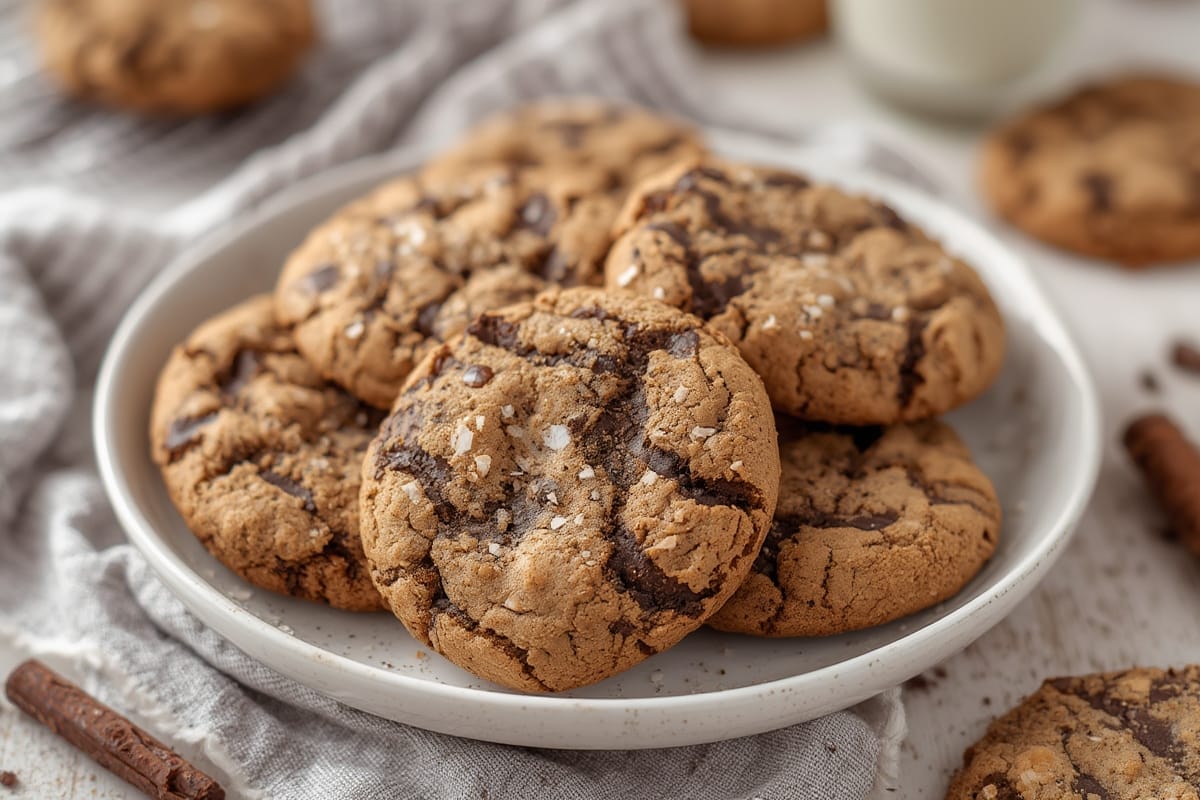
Nothing transports me back to my Charleston grandma’s kitchen faster than the warm, cinnamony aroma of snickerdoodle cookies baking. I can still see her hands – flour-dusted and steady – rolling dough balls in that iconic sugar-spice mix. “Measure with your heart, Mac,” she’d say as we listened for the happy ping of her vintage oven timer. Today, I’m sharing her foolproof recipe plus decades of baking insights to help you create these tender, tangy treasures. Let’s make memories (and avoid smoke alarms!) while unraveling the secrets behind the snickerdoodle’s signature crackle.
Part 1: The Nostalgic Charm of Snickerdoodles
Why Snickerdoodles Stand the Test of Time
Snickerdoodle cookies aren’t just desserts; they’re edible hugs. Unlike flashy modern treats, these humble cinnamon-sugar coated wonders connect us to a simpler time. Their quirky name might come from German “Schneckennudeln” (cinnamon snails) or just Yankee whimsy – nobody truly knows, much like grandma’s mysterious “secret ingredient” whispers. What we do know: that distinctive tang and chewy center paired with crispy edges make these irresistible.
These cookies were my first baking victory at age seven. I’ll never forget grinning through a cinnamon mustache as neighborhood kids devoured my lopsided creations. That magical alchemy of basic pantry staples transforming into something extraordinary? That’s the snickerdoodle’s enduring superpower.
The Science Behind the Signature Texture
Every great snickerdoodle cookie owes its character to three essentials:
- Cream of tartar: Creates the tang and helps activate baking soda for lift
- Chilled dough: Prevents overspreading for that perfect thick-and-chewy base
- Cinnamon-sugar crust: Forms that crackly caramelized armor during baking
I learned this triad through trial and error after my first disastrous batch spread into pancake-thin crisps. As my essential baking tools guide explains, oven thermometers are vital since even 25°F variance can sabotage texture.
Part 2: Crafting Your Perfect Snickerdoodle Batch
Ingredients & Smart Substitutions
| Ingredient | Purpose | Best Substitutions |
|---|---|---|
| Cream of tartar | Creates tang, activates baking soda | Lemon juice (1 tsp per 1/2 tsp tartar) OR vinegar |
| Baking soda | Leavening agent | None – essential for spread and rise |
| Softened butter | Adds richness and chew | Coconut oil (cold-pressed for neutral taste) |
Pro Tip: True snickerdoodle cookies need cream of tartar – it’s not just for stabilizing egg whites! According to Michigan State University’s Food Science team, this acid activates baking soda to produce carbon dioxide for that signature lift and crackle.
Step-by-Step Success Guide
Active Time: 25 minutes
Chill Time: 1 hour (crucial for texture!)
Bake Time: 12 minutes/batch
Total: 1 hour 40 minutes
- Cream butter & sugars: Beat 1 cup softened butter with 1.5 cups white sugar and 0.5 cup brown sugar until fluffy – about 3 minutes with a stand mixer. Don’t rush this step! Air incorporation prevents dense cookies.
- Add eggs & vanilla: Mix in 2 large eggs and 2 tsp pure vanilla bean. For egg-free versions, try flax eggs as in my vegan dessert swaps.
- Combine dry ingredients: Whisk 2.75 cups all-purpose flour, 2 tsp cream of tartar, 1 tsp baking soda, and 1/2 tsp salt. Gradually add to wet ingredients until just combined.
- Chill dough: Cover and refrigerate 1 hour (up to 3 days). Cold dough = thick cookies!
- Roll & coat: Mix 3 tbsp sugar + 1 tbsp cinnamon. Roll dough into 1.5″ balls, then coat generously in cinnamon sugar.
- Bake smart: Arrange on parchment-lined sheets (2″ apart). Bake at 375°F for 10-12 minutes until edges set but centers look slightly underdone.
- Cool properly: Let cookies rest on sheets 5 minutes before transferring to racks – they’ll firm up perfectly.
Part 3: Snickerdoodle Science & Troubleshooting
Cracking the Code on Cookie Cracks
That iconic snickerdoodle cookie crackle isn’t just aesthetic – it signals ideal texture! For maximum fissures:
- Don’t overmix dough after adding flour (develops gluten = tough cookies)
- Bake at high heat (375°F creates steam that bursts through the sugar crust)
- Use room-temp eggs – cold eggs can cause uneven spreading
If your cookies aren’t cracking, check oven temperature accuracy – 90% of home ovens run hot or cold. My oven calibration guide helps solve this stealthy snickerdoodle saboteur.
Cream of Tartar: Hero or Hype?
Many bakers wonder if they can skip this odd pantry item. Answer? Technically yes, but you’ll lose the snickerdoodle’s soul. The acid does three critical jobs:
- Reacts with baking soda for rise
- Gives that signature tangy contrast to sweet dough
- Inhibits sugar crystallization for chewier texture
If substituting, use 2 tsp lemon juice + reduce other liquids slightly. But truly, cream of tartar lasts years in your pantry – worth keeping for authentic results!
Part 4: Next-Level Snickerdoodle Adventures
Creative Twists on a Classic
Once mastered, try these fun variations:
- Brown butter snickerdoodles: Cook 1 cup butter until nutty-brown before creaming
- Chai-spiced: Swap cinnamon for 2 tsp chai spice mix in coating
- Stuffed centers: Hide a square of dark chocolate inside dough balls
For holiday flair, my festive cookie decorating guide pairs perfectly with snickerdoodles. Roll edges in colored sugar or drizzle with white chocolate post-bake!
Perfect Storage & Freezing Tips
Room temp: Store cooled cookies in airtight container with bread slice (prevents hardening) for up to 5 days.
Freeze dough: Roll unchilled dough balls; freeze on tray before bagging. Bake from frozen adding 1-2 minutes.
Freeze baked: Layer cookies between parchment in freezer bags up to 3 months. Thaw at room temp or briefly reheat.
Snickerdoodle FAQs
Why don’t my snickerdoodles crack?
Typically caused by overmixing dough (develops tough gluten) or underchilling. Ensure dough is cold so exterior sets fast during baking, forcing cracks. Also verify oven temperature – too low means slow-spreading dough without steam bursts.
What makes snickerdoodles tangy?
The cream of tartar! This byproduct of winemaking adds distinct acidity. For substitution-free versions, try adding 1 tsp lemon zest to the dough.
Do you need cream of tartar?
Technically no (use 2 tsp baking powder instead of soda+tartar), but expect milder flavor and less crackle. Authentic snickerdoodles rely on this ingredient for their signature profile.
Can you freeze snickerdoodle dough?
Absolutely! Portion into balls before freezing. When craving strikes, bake straight from frozen at 375°F for 13-14 minutes.
Conclusion: The Joy of Homemade Snickerdoodles
At its heart, baking snickerdoodle cookies is about connection – to family, tradition, and simple kitchen joys. My grandma’s original recipe card hangs framed in my kitchen today, splattered with decades of cinnamon and memories. Whether you stick to the classic recipe or experiment with new twists, share these cookies generously. Because really, is there any sweeter sound than hearing “Oh my god, these are INCREDIBLE!” through a mouthful of crumbs?
Got questions or epic snickerdoodle stories? Share them below! If you loved this guide, try my soft molasses cookies – another spiced favorite that pairs wonderfully with coffee. Happy baking, y’all!
100-Word Recipe Recap
Perfect Snickerdoodle Cookies
Cream 1 cup butter with 1.5 cups white + 0.5 cup brown sugar. Beat in 2 eggs + 2 tsp vanilla. Whisk 2.75 cups flour, 2 tsp cream of tartar, 1 tsp baking soda, ½ tsp salt; mix into wet. Chill 1 hr. Roll into 1.5” balls; coat in 3 tbsp sugar + 1 tbsp cinnamon. Bake at 375°F 10-12 mins. Cool 5 mins on sheets. Makes 24 crackly-edged, tender-centered cookies with nostalgic tang. For softer cookies, reduce baking time by 1 min – centers stay gooey! Freeze dough balls up to 3 months for impromptu cookie emergencies.