
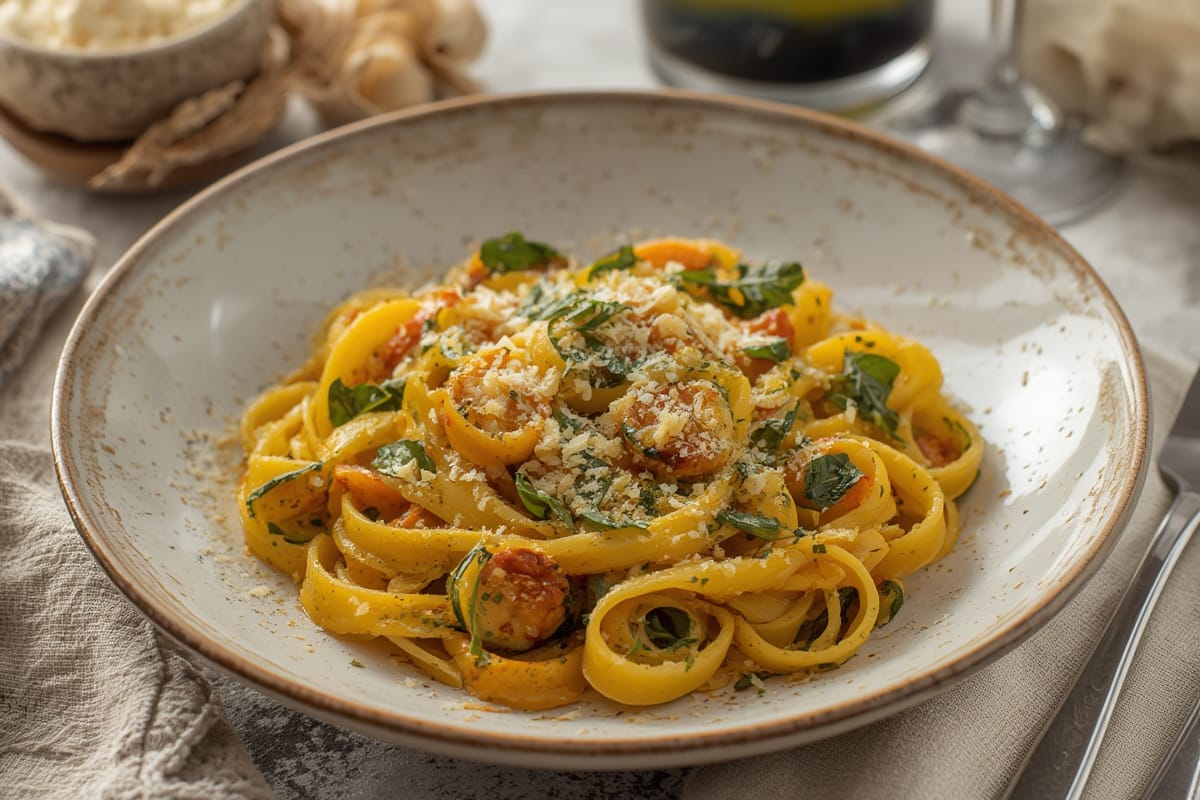
Nothing says “home” like the smell of roasted squash simmering with garlic and herbs. As a Charleston native raised in my grandmother’s kitchen, squash pasta became my canvas for blending comfort with bold flavors. Today, I’ll share my spin on this cozy classic—bursting with caramelized sweetness, no fancy gadgets required. Whether you’re using butternut, acorn, or delicate summer squash, this dish adapts beautifully to seasonal abundance. I’ll walk you through foolproof techniques for tender squash, savory sauce pairings, and the secrets to avoiding a mushy mess.
PART 1 : Grandma’s Garden and My Love Affair with Squash
Squash Pasta: Where Comfort Meets Experimentation
My grandmother’s backyard garden gifted us armfuls of golden squash each summer. While neighbors ate theirs steamed with butter, she’d toss caramelized cubes with pasta, rosemary, and crushed pecans—creating magic from simplicity. Her rule? “Cook it till it sings, not sighs.” Decades later, squash pasta remains my ultimate weeknight muse. I’ve riffed on her recipe with spicy harissa, creamy ricotta, or bright lemon zest, but the soul stays the same: generosity, warmth, and deep flavor.
Why Squash Makes Pasta Sing
Squash melts into silky sauces or holds its shape for textural contrast—your choice determines the dish’s personality. Unlike heavy cream sauces, squash adds velvetiness and nutrition. According to Harvard T.H. Chan School of Public Health, winter varieties deliver beta-carotene and fiber, making this dish indulgent yet nourishing. Pair it with sturdy pasta shapes like rigatoni or fusilli (more on that later), and you’ve got a meal that satisfies without weighing you down.
PART 2 : Crafting Your Perfect Squash Pasta
Ingredients List
- 1 medium butternut squash (or 3 cups cubed acorn/kabocha)
- 12 oz pasta (rigatoni, penne, or shells hold sauce best)
- 4 cloves garlic, minced
- 1/3 cup olive oil + 2 tbsp for roasting
- 1 tsp red pepper flakes (optional; swap smoked paprika for mild heat)
- 1/2 cup vegetable broth (or pasta water for creaminess)
- Salt, black pepper, and nutmeg to taste
- Garnish: Toasted walnuts, grated Parmesan (or nutritional yeast for vegan), fresh sage
Swaps: No butternut? Sweet potatoes work! Gluten-free? Use chickpea pasta. Nut-free? Substitute sunflower seeds.
Timing
| Stage | Time |
|---|---|
| Prep (peel, cube) | 15 minutes |
| Roasting squash | 25 minutes |
| Pasta cooking | 12 minutes |
| Sauce simmering | 8 minutes |
| Total | 60 minutes |
Tip: Roast squash while pasta boils—multitask like a pro!
Step-by-Step Instructions
Roast Like a Pro: Toss squash cubes with 2 tbsp olive oil, salt, and pepper. Spread on a parchment-lined sheet. Roast at 400°F until golden-edged (20–25 mins). Avoid crowding the pan—this prevents mushiness!
Build Foundation: Heat remaining oil in a skillet. Add garlic and pepper flakes, sizzling until fragrant (1 min). Stir in roasted squash, mashing lightly with a fork. Pour in broth.
Marry Flavors: Simmer sauce 5 mins on low. Use an immersion blender for smoothness or leave chunky for texture.
Combine & Finish: Fold in cooked pasta. Adjust salt and nutmeg. Plate with toppings. For extra flair, try my Creamy Vegan Alfredo Sauce as a drizzle!
PART 3 : Mastering Technique & Pairings
Roasting vs. Sautéing: Which Wins for Squash Pasta?
Roasting concentrates squash’s sweetness, making it ideal for velvety sauces. Sautéing works for summer squash (zucchini, pattypan) since they cook faster and stay firmer. If using delicate varieties, salt slices first to draw out moisture, then pat dry—this prevents sogginess. For hearty winter squash, roasting is king. Learn more in my guide to Perfectly Roasted Vegetables.
Sauces That Elevate Your Dish
Match sauce richness to your squash type:
- Butternut: Sage-brown butter, tahini-lemon, or coconut curry
- Zucchini: Basil pesto, sun-dried tomato cream
- Acorn: Cinnamon-spiced tomato sauce, goat cheese drizzle
PART 4 : Troubleshooting & Twists
Keeping Squash Al Dente
Soggy squash? Two fixes:
- Roast squash separately until just tender before adding to sauce.
- For sautéed squash, crank the pan to high heat for a quick char.
Pro Tip: Slice squash uniformly (½-inch thick) so it cooks evenly.
From Classic to Creative: Four Squash Pasta Variations
- Tex-Mex: Black beans, roasted corn, chipotle squash, and cilantro
- Autumn Waldorf: Add diced apples, celery, and toasted pecans
- Mediterranean: Kalamata olives, feta, and oregano
- Thai-Inspired: Peanut sauce, lime, and chili flakes
Store leftovers airtight for 3 days, or freeze sauce alone for 2 months. Reheat with a splash of broth. Need make-ahead ideas? Try my Freezer-Friendly Meals roundup.
FAQ: Your Squash Pasta Questions, Answered
What sauces pair with squash pasta?
Rich sauces like brown butter-sage complement sweet squash, while lighter options (leony olive oil, basil pesto) balance milder varieties like zucchini.
Do you roast or sauté squash for pasta?
Roast winter squash for caramelized depth; sauté summer squash for freshness and bite.
What pasta shapes work best?
Rigatoni, farfalle, or shells cradle chunky sauces. For silky textures, try fettuccine or pappardelle.
How to keep squash from getting mushy?
Roast at high heat (400°F+), don’t overcrowd the pan, and toss squash with oil to create a protective crust.
Conclusion: Let’s Get Cooking!
Squash pasta is more than a dish—it’s a hug on a plate. Whether you’re riffing with farmer’s market finds or craving grandma-style comfort, this recipe bends to your mood. Got a victory (or smoke alarm story)? Share it in the comments below! Craving more cozy carbs? Try my Spiced Pumpkin Lasagna next.
Short Recipe (100 words):
Roast cubed butternut squash (400°F, 25 mins). Cook rigatoni. Sauté garlic in olive oil; add squash, mash lightly. Stir in ½ cup broth, simmer 5 mins. Toss with pasta, salt, pepper, nutmeg. Garnish with walnuts and Parmesan.