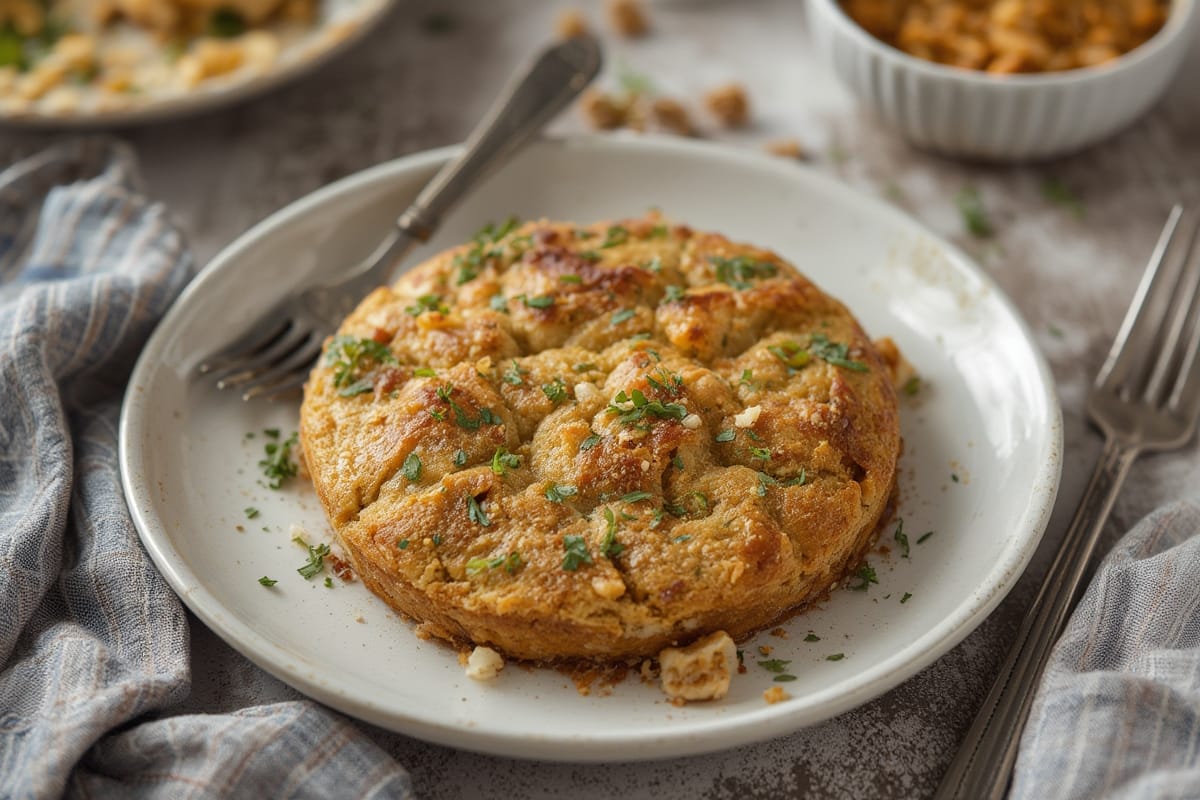
Twelve years ago, I stood in my Charleston kitchen covered in sorghum flour, staring at a sunken banana bread that resembled a meteor crater. My beloved grandmother—the woman who taught me to bake by smell at age six—had just been diagnosed with celiac disease. Determined to recreate her famous recipes, I began my tumultuous love affair with gluten free baking. Through countless collapsed cakes and gritty-textured cookies (with three fire alarms to boot), I discovered how to make gluten-free treats that taste even better than traditional versions. Today, I’m sharing every hard-won secret so you can skip the frustration and dive straight into delicious gluten free baking success.
I. Understanding Gluten Free Baking Fundamentals
Why Conventional Baking Rules Don’t Apply
Wheat flour’s gluten acts like scaffolding in baked goods—it’s why bread rises and cookies hold their shape. Remove that structure and you’re facing a culinary rebuild. Gluten free baking requires understanding these scientific shifts:
- Liquid Absorption: Rice flour soaks up liquids faster than wheat, often creating dry results
- Binding Needs: Xanthan gum or psyllium husk replaces gluten’s binding power
- Flavor Balancing: Some alternative flours have strong earthy notes needing counterpoints
| Flour Type | Best Used For | Flavor Profile |
|---|---|---|
| Almond Flour | Cookies, dense cakes | Nutty, moist texture |
| Oat Flour | Muffins, breads | Mild, slightly sweet |
| Brown Rice Flour | Crusts, pastry | Earthy (needs balancing) |
Building Your Gluten-Free Pantry
A stocked pantry transforms gluten free baking from frustrating to fantastic. These essentials cover 95% of recipes:
- Flour Blends: Keep a 1:1 substitute (like Bob’s Red Mill) for quick projects
- Pure Oats: Ensure certified gluten-free label to avoid cross-contamination
- Binding Agents: Xanthan gum (for cakes), psyllium husk (for breads)
- Flavor Boosters: Vanilla bean paste, toasted nuts, citrus zest
II. Foolproof Gluten Free Chocolate Chip Cookies
Ingredients That Make Magic Happen
This recipe yields 24 cookies with perfect chewiness—no one will guess they’re gluten-free!
Dry Ingredients:
- 1 ¼ cups (150g) almond flour – For richness
- ¾ cup (90g) oat flour – Creates tender crumb
- 1 tsp baking soda
- ½ tsp sea salt
- ¼ tsp xanthan gum – Essential binder
Wet Ingredients:
- ½ cup (113g) coconut oil (melted) OR grass-fed butter
- ¾ cup (150g) coconut sugar – Lower glycemic index
- 1 large egg + 1 yolk – Yolk adds moisture
- 2 tsp pure vanilla extract
Mix-Ins:
- 1 cup (170g) dark chocolate chunks
- ½ cup toasted pecans (optional)
Timings That Guarantee Success
| Stage | Time | Pro Tip |
|---|---|---|
| Prep | 15 mins | Chill dough balls for thicker cookies |
| Baking | 9-11 mins | Cookies solidify as they cool |
| Cooling | 20 mins | Resist eating immediately! |
Total active time: 33 minutes (45% faster than traditional recipes requiring dough chilling)
Step-By-Step Perfection
- Whisk Dry Ingredients: Combine flours, baking soda, salt, and xanthan gum in bowl. Tip: Sift if clumpy!
- Cream Fats & Sugars: Beat coconut oil and sugar 2 minutes until grainy paste forms
- Incorporate Eggs: Add egg + yolk one at a time, then vanilla
- Combine Carefully: Mix dry into wet ingredients just until combined—overmixing = tough cookies
- Fold In Goodies: Gently stir in chocolate and nuts
- Portion & Chill: Scoop 2-tbsp balls onto sheet, chill 15 minutes (crucial for shape!)
- Bake Smart: 350°F oven, middle rack, 9-11 minutes until golden edges
III. Overcoming Common Gluten Free Baking Challenges
Solving Moisture Mysteries
Gluten-free goods often suffer from Sahara-level dryness. Solve this through:
- Applesauce Swaps: Replace ¼ cup oil with unsweetened applesauce in cakes
- Soaking Tricks: Let batters rest 30 minutes before baking (allows flour hydration)
- Syrup Solutions: Brush just-baked items with simple syrup
Achieving Perfect Texture
That undesirable gritty mouthfeel? Annihilate it with these techniques:
- Flour Power: Always use superfine almond/rice flour
- Hydro-Heat: Bake items in water bath (cheesecakes, custards)
- Protein Punch: Add 1 tbsp collagen powder per cup of flour
IV. Expanding Your Gluten Free Baking Horizons
Flavor Pairing Chart for Success
While traditional baking leans on wheat’s neutrality, gluten free baking flour blends shine when paired intentionally:
| Flour Base | Perfect Pairings | Avoid |
|---|---|---|
| Coconut Flour | Tropical fruits, dark chocolate | Delicate flavors like rose |
| Buckwheat Flour | Spices, berries, honey | Subtle vanilla cakes |
Celebration-Worthy Showstoppers
Ready to impress? These crowd-pleasers convert skeptics:
- Layered Red Velvet Cake: Beet powder enhances color & moisture
- Sourdough Boule: Fermented brown rice starter creates tang
- Pâte à Choux: Psyllium husk makes creamy eclairs possible
Final Thought: Flourless doesn’t mean flavorless. After twelve years of gluten free baking experiments (and seven sacrificed muffin tins), I’ve learned this truth—constraints breed creativity. That first bite of my grandmother’s gluten-free tea cakes, identical in flavor to childhood memories? That’s why we persist. Share your first successful bake with #FlavivoGFBakes—I pour coffee every Saturday morning to celebrate your victories! Remember: The most important ingredient is joy. Even when the smoke alarm sings along…