
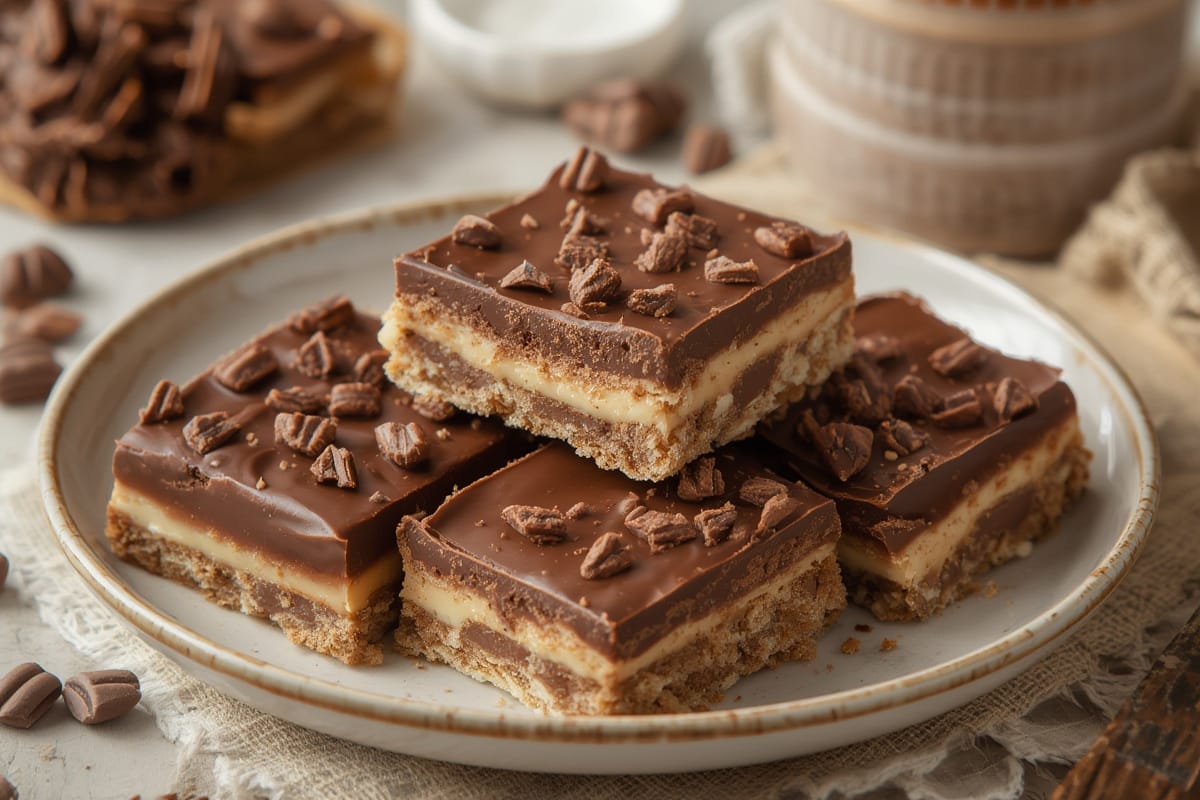
Crafting Perfect Homemade Chocolate Bars: A Journey Through Taste and Memory
When I close my eyes and think about chocolate bars, I’m instantly transported to my grandmother’s cluttered kitchen in Charleston. At seven years old, I stood on a wobbly stool watching her melt mysterious dark chunks in a double boiler, her wrinkled hands guiding mine as we poured the silken liquid into vintage candy molds. She’d wink and say, “Real magic happens when you make chocolate bars with love, not just sugar.” Decades later, my own kitchen often fills with that same rich aroma whenever I recreate her recipes or craft new variations – sometimes sophisticated with sea salt and hibiscus, other times playful with crushed pretzels or toasted coconut. Today, I’ll share how you can transform simple ingredients into extraordinary chocolate bars that spark joy, whether you’re gifting them or savoring them solo after a hectic day.
The Irresistible Allure of Homemade Chocolate Bars
Why Homemade Trumps Store-Bought
Commercial chocolate bars often prioritize shelf life over flavor, but when you create them yourself, you control every element. Unlike mass-produced versions loaded with stabilizers, homemade chocolate bars let you highlight premium cocoa or experiment with bittersweet intensity. My grandmother’s philosophy still guides me: “If you wouldn’t eat an ingredient by itself, don’t bury it in chocolate!”
Building Your Signature Flavor Profile
Great chocolate bars balance texture, sweetness, and surprises. Consider these pairings that have dazzled my farmers’ market customers:
| Base Chocolate | Crunch Factor | Flavor Boosters |
|---|---|---|
| 70% dark | Toasted quinoa | Orange zest + cardamom |
| Milk chocolate | Crumbled shortbread | Himalayan pink salt |
Essential Tools and Techniques for Chocolate Bar Success
Ingredients List: Quality Meets Creativity
Gather these fundamentals plus your chosen mix-ins (makes eight 2-ounce bars):
- Chocolate Base: 16 oz high-quality couverture chocolate (dark, milk, or white)*
- Texture Elements: ½ cup total toasted nuts/seeds, crisped rice, or freeze-dried fruit
- Flavor Enhancers: 1-2 tsp extracts (vanilla, almond), citrus zests, or spices like cinnamon
- Sweetness Adjusters: 1-4 tbsp honey or maple syrup (optional for darker chocolate)
Substitution Tip: Use dairy-free chocolate and coconut oil (1 tsp per 8 oz chocolate) for vegan chocolate bars that still snap beautifully.
Master Timeline for Stress-Free Chocolate Making
While store runs take 20 minutes, crafting chocolate bars rewards patience:
- Prep (15 mins): Measure ingredients, line molds with parchment
- Melting (8-12 mins): Double-boiler or microwave in 30-second bursts
- Customizing (5 mins): Fold in toppings before setting
- Setting (45-90 mins): Countertop vs. refrigerator options
Pro Tip: Setting time decreases 25% when using silicone molds versus traditional trays.
Step-by-Step Crafting Process
Tempering Chocolate Like a Pro
Achieving that glossy finish requires controlled temperature management:
- Chop chocolate uniformly for even melting (pea-sized pieces).
- Melt 2/3 of chocolate in a double boiler until 115°F (46°C) for dark, 110°F (43°C) for milk.
- Remove from heat and stir in remaining chocolate until smooth.
- Cool to 82°F (28°C), then reheat gently to 88°F (31°C). Test temper by spreading a teaspoon on parchment – it should set streak-free in 5 minutes.
Molding and Setting Your Creations
Once tempered, work quickly but calmly:
- Pour a thin chocolate layer into molds, tap to eliminate bubbles
- Add mix-ins, pressing gently into the surface
- Pour remaining chocolate over toppings, using an offset spatula to level
- Chill molds 45 minutes at room temperature or 15 minutes refrigerated
Flavor Variations for Every Craving
Decadent Add-Ins for Special Occasions
Elevate simple chocolate bars with these showstoppers:
- Espresso Crunch: Instant coffee powder + cocoa nibs
- Tropical Escape: Toasted coconut flakes + diced dried mango
- Salted Caramel Swirl: Thick caramel sauce + flaked sea salt
Dietary Accommodations Without Compromise
- Sugar-Free: Use monk fruit-sweetened chocolate + roasted almonds
- Nut-Free: Sunflower seed butter swirls + pumpkin seeds
- Vegan: Coconut milk powder in melted cocoa butter base
Perfect Pairings and Storage Solutions
Serving Suggestions That Enhance Enjoyment
Temperature drastically affects chocolate bars’ flavor notes:
- Serve dark chocolate slightly warmed (72°F/22°C) to appreciate fruity undertones
- Pair milk chocolate with tart berries to cut sweetness
- Match white chocolate with citrus-infused teas
Long-Term Storage for Freshness
Preserve homemade bars’ texture with these methods:
- Wrap tightly in beeswax paper then aluminum foil
- Store in airtight containers at 60-65°F (15-18°C)
- Freeze for up to 3 months; thaw overnight in fridge
Avoid humid environments – chocolate acts like a sponge for moisture!
Conclusion
Creating chocolate bars connects us to centuries of culinary tradition while allowing endless personal expression. Whether revisiting childhood memories through classic combinations or daring to incorporate unexpected textures, every batch teaches something new. Seeing friends’ eyes light up when they bite into your custom creations beats any store-bought experience. Now that you’re equipped with pro techniques and flexible recipes, let your creativity run wild. What signature chocolate bar will you craft first? Share your delicious experiments with me @FlavivoRecipes – I’d love to feature your kitchen triumphs!