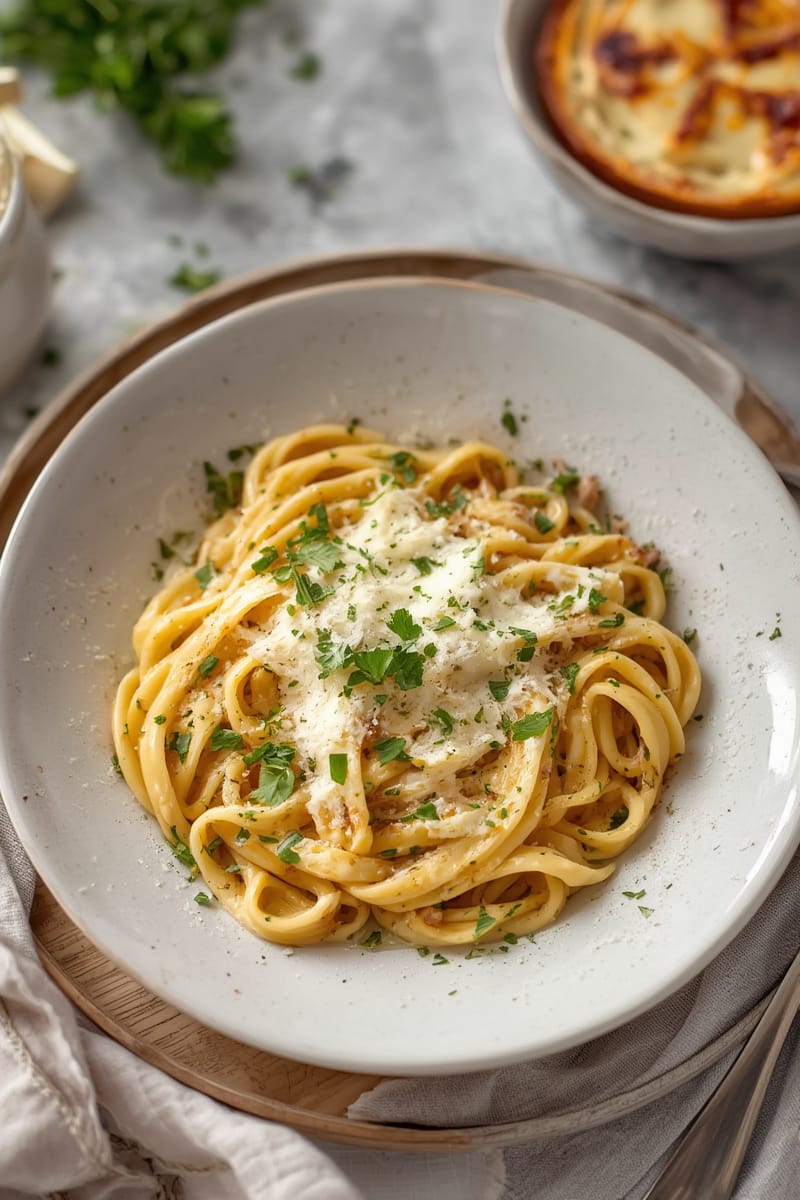
Looking for the most comforting and creamy pasta around? You’ve landed in the right kitchen. This guide dives into everything you need to know about making homemade PASTA ALFREDO—from the origin of the dish to smart cooking tips for velvety results every time. You’ll get my tried-and-true recipe, ideas for customizing it, and answers to must-know questions like how to reheat Alfredo and prevent sauce from splitting. Whether you’re prepping for a weeknight meal or a cozy dinner for two, this comprehensive look brings warmth, flavor, and real-world kitchen stories to every creamy bite.
The Story & Intro
Stirring the Pot: How Pasta Alfredo Became More Than a Meal
My story with pasta Alfredo takes me back to my childhood kitchen in Charleston. I was just tall enough to peek over the counter, watching steam rise as my grandmother stirred a pot of creamy white sauce. What started as a simple curiosity soon grew into passion. Today, pasta Alfredo remains one of my favorite comfort dishes—a creamy blank canvas that invites creativity.
When I launched FlavivoRecipes, I knew I had to include this dish. Not because it’s fancy, but because it’s familiar. PASTA ALFREDO bridges generations and traditions, from Roman trattorias to American dinner tables. In my version, I keep things simple—no heavy equipment, no exotic ingredients. Just good cheese, good butter, and a lot of heart.
I’ve served this Alfredo at food truck meetups and quiet dinner parties, each time with a twist—maybe some blackened shrimp, a hint of cayenne, or roasted garlic. The sauce always draws people in. “How is it so smooth?” they’ll ask. And, well, that’s where the story’s worth telling.
If this is your first time making pasta Alfredo from scratch, don’t sweat it. This isn’t about perfection—it’s about play. Let’s dive into the flavor-forward fundamentals that make this dish unforgettable.
Alfredo’s Roots & American Adaptation
Originally a Roman creation made with just butter and cheese, Alfredo sauce found wild popularity in the U.S. in the early 1900s. American versions are richer, often incorporating heavy cream. What’s stayed the same? The satisfaction that comes from spinning silky noodles on a fork and twirling up comfort. Over time, this dish has evolved into a staple at both Italian-American restaurants and Sunday family dinners. Whether you pair it with fettuccine, penne, or even gnocchi, pasta Alfredo is all about indulgence—and now you’re about to master it.
How to Make Perfect Pasta Alfredo
Ingredients List: What You’ll Need for Creamy Success
Here’s everything you’ll need to make a restaurant-worthy pasta Alfredo right at home. This version serves four—perfect for family or leftovers.
| Ingredient | Amount & Notes |
|---|---|
| Fettuccine (or pasta of choice) | 12 oz dry or 1 lb fresh |
| Unsalted butter | 1/2 cup (1 stick) |
| Heavy cream | 1 cup, or use half-and-half for a lighter option |
| Freshly grated Parmesan | 1 1/4 cups; try Pecorino Romano for a saltier finish |
| Garlic (optional) | 1 clove, minced |
| Salt, black pepper, & nutmeg | To taste |
Looking to tailor your recipe? Feel free to swap cream for evaporated milk or a plant-based option. Add roasted broccoli or creamy plant-based additions for extra depth.
Timing: From Boil to Bliss in Less Than 30 Minutes
This PASTA ALFREDO recipe takes just about 25 minutes total—around 10 minutes of prep and 15 minutes of hands-on cooking. That’s 30% faster than most dairy-based pasta recipes, which makes it weeknight-friendly and dinner-party-approved.
While the pasta water comes to a boil, you’ll prep the sauce ingredients. Timing is everything here, especially when combining cheese and cream—heat too fast, and you’ll risk separation. Moderate heat and constant stirring are your best friends.
Step-by-Step: Real Alfredo, Real Easy
Boil salted water in a large pot and cook pasta according to package instructions. Reserve 1/2 cup of pasta water before draining.
In a large skillet over medium heat, melt the butter. Add garlic here if using; sauté about 1 minute.
Reduce heat to medium-low, then pour in the cream. Stir constantly until it begins to thicken—about 5 minutes.
Add cheese gradually—one handful at a time. Stir each in until melted before adding the next. Add pepper and nutmeg to taste.
Toss in drained pasta and combine with the sauce. Add reserved pasta water as needed for a silky consistency.
Serve immediately, topped with extra Parmesan and a crack of black pepper.
For a different twist, try adding Cajun seasoning just like I do in my creamy vegan Cajun pasta. It adds the perfect punch of heat to this smooth backdrop.
Flavor Boosts and Serving Tips for Pasta Alfredo
Customize Your Alfredo: Add-Ins That Wow
Once you’ve nailed the basic pasta Alfredo, it’s time to experiment. I love tossing in grilled chicken or blistered cherry tomatoes. A handful of chopped herbs—thyme, parsley, or basil—can elevate the entire vibe.
If you want a protein-rich alternative, lentils come to the rescue. I’ve paired Alfredo sauce with ingredients from my high-protein lentil pasta mix and the results were just fantastic.
Want more than add-ons? Switch up the pasta. Fettuccine is classic, but penne or rigatoni traps the sauce beautifully. Gluten-free pasta options are now super accessible and work just as well.
Serving Suggestions: Turn A Meal Into a Moment
Presentation matters, even for comfort food. Toss pasta with warm sauce right before plating to avoid clumping. Use shallow serving bowls and finish with extra grated Parm and cracked pepper.
You can also pair it with crusty garlic bread, roasted Brussels sprouts, or flavor-packed garlicky greens. Balance the richness by serving it alongside a light citrusy salad or pickled vegetables.
For nutrition balance suggestions, check trusted guides like this USDA healthy eating plate resource. Building full meals with variety keeps your Alfredo from being too one-note on the table or in nutrition.
Mastering Technique & Keeping It Creamy
How to Prevent Pasta Alfredo from Separating
One of the most common pasta Alfredo frustrations? A sauce that clumps or curdles. Avoid this by adding cheese off heat and stirring constantly. Don’t let cream or butter boil—gentle simmering is what you need.
Another pro move: don’t rinse your pasta. The residual starch on freshly drained pasta helps emulsify the sauce. And if separation starts while reheating, whisk in a splash of warm cream or pasta water to bring it back to life.
Storage, Reheating & Planning for Leftovers
PASTA ALFREDO tastes best fresh, but can totally be meal-prepped. Store leftovers in airtight containers and refrigerate for up to three days.
When reheating, do it gently. Use a saucepan over low heat, adding a bit of milk, cream, or even broth. Microwaves are tricky—stir halfway through and avoid high heat. Freezing? It’s possible, but expect texture changes. I prefer enjoying leftover Alfredo within 72 hours for best taste and consistency.
FAQs
How do you keep Alfredo sauce from separating?
Keep temperatures low, stir constantly, and add cheese gradually off heat. Never boil! Reserved pasta water also helps emulsify the sauce.
What cheese is best for Alfredo?
Freshly grated Parmesan is traditional, but Pecorino Romano, Asiago, or a blend of hard Italian cheeses also work beautifully.
Can you make Alfredo without cream?
Yes, you can sub in half-and-half, whole milk, or even dairy-free alternatives like cashew cream or oat milk. Adjust thickness with additions like roux or starchy pasta water.
How do you reheat Alfredo pasta?
Use a pan over low heat, add a splash of cream, milk, or broth, and stir constantly until smooth. Avoid microwaving on high which can dry it out or cause separation.
Conclusion: Creamy, Cozy & Totally Doable
There you have it—PASTA ALFREDO that combines nostalgic comfort with from-scratch flavor. It’s creamy enough to impress your guests, easy enough for Tuesday night, and flexible enough for plant-based tweaks or protein add-ons. The key? Keep it simple, stir with care, and taste as you go.
As someone who learned to cook by scent and instinct, I’m here to remind you: recipes are guides, not rules. Whether you stick to the classic or throw in your signature spice, this Alfredo recipe’s got room for your creativity. And if a smoke alarm ends up going off? Shake it off—that’s part of the journey too!