
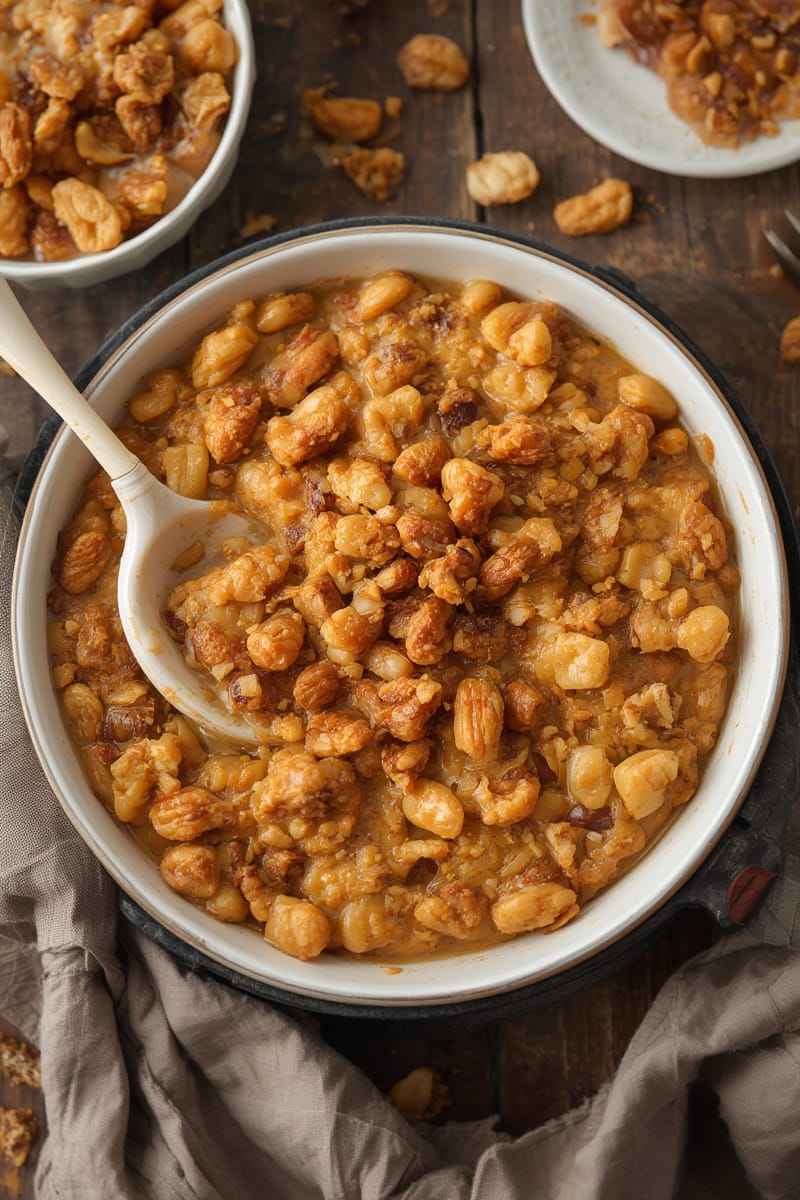
Peanut brittle is one of those nostalgic treats that instantly bring back memories of the holidays, grandma’s kitchen, and the sweet smell of caramelized sugar. In this article, we’ll explore the story behind this classic candy, how to make it perfectly crunchy every time, ingredient swaps that work, storing it the right way, and answer your top peanut brittle FAQs. Whether you’re a seasoned home cook or experimenting with sugar for the first time, this guide will walk you confidently through the crackly world of peanut brittle.
Flavors of Home: How Grandma’s Peanut Brittle Sparked My Culinary Path
Growing Up With the Scent of Molten Sugar & Roasted Peanuts
I’m MacMar, and any time I snap a piece of peanut brittle, I’m instantly back in my grandmother’s Charleston kitchen. The rich aromas of bubbling sugar and roasted peanuts meant one thing: we were making brittle. My grandma didn’t follow recipes—she followed her nose, her fingers, and the whisper of changing bubbles in the pot. Her peanut brittle was rustic, a little uneven, but spectacularly crunchy and wildly addictive.
She never wrote anything down. So years later, when I tried recreating that flavor, it took trial, error, and a minor sugar burn (or three). I eventually learned the importance of timing, temperature—and letting the peanuts toast just the right amount while stirred into the hot syrup. Classic peanut brittle turns magical at “hard crack” stage—around 300°F. It’s that heat that creates the addictive, shattering crunch.
I’ve experimented with twists—adding chili, using pumpkin spice, or swapping nuts—but when I need true comfort, it’s grandma’s sugar-and-peanut version I crave. And now, I’m excited to share my recipe with you. I’ll guide you through it, no candy thermometer required (though helpful), with plenty of heart and all the crunchy joy you’re craving.
Why This Version of Peanut Brittle Is A Keeper
Unlike brittle that’s too sticky or teeth-breaking hard, this one hits the sweet spot. Inspired by generations of Southern kitchen wisdom, my peanut brittle recipe uses dependable ingredients and approachable techniques. It’s perfect for gifting during the holidays (wrap it in cellophane and watch the smiles), but I also like to crumble it over ice cream or sneak a crackly shard with afternoon coffee.
This recipe also avoids fuss. No industrial mixers or special molds. Just a big pot, a spoon, and a readiness to stir like you mean it. If you’ve never made candy before, this one is a great place to start—signaling your entry into the crunchy universe of sugar-based joyful chaos.
To give your experience more context, explore this quick cinnamon apple bake or jazz up your dessert table with my no-bake hazelnut chocolate bars. These comforting and crunchy treats embody everything I love about flavors that feel like coming home.
Getting It Right: Ingredients, Timing, & Instructions for Homemade Peanut Brittle
Ingredients List: Classic, Crunchy & Custom-Friendly
Let’s start with the essentials you’ll need for peanut brittle. This recipe makes about 1.5 pounds of brittle, or enough to fill 3 gift jars or a small cookie tin.
| Ingredient | Details & Substitutions |
|---|---|
| 1 cup granulated sugar | White sugar works best for a clear golden finish |
| 1/2 cup light corn syrup | Can substitute with maple syrup or golden syrup in a pinch |
| 1/4 cup water | Helps dissolve the sugar and controls crystallization |
| 1 cup raw or roasted unsalted peanuts | Use salted for more flavor; mixed nuts also work well |
| 2 tablespoons unsalted butter | Adds richness and makes the brittle easy to spread |
| 1 teaspoon vanilla bean | Enhances flavor; almond can be a fun twist |
| 1 teaspoon baking soda | Creates airy texture, helps brittle puff slightly |
Time Estimate: Quick Candy with A Big Crunch Payoff
You’ll need about 25–30 minutes from start to finish for your peanut brittle.
- Prep time: 5 minutes
- Cook time: 20 minutes
- Cool time: 15 minutes
- Total time: ~40 minutes
That’s around 20% faster than more complex pulled sugar candies, making it ideal for busy cooks who still want impressive results.
Step-by-Step Guide: Making Peanut Brittle with Confidence
- Lightly grease a baking sheet or line it with parchment paper.
- In a heavy-bottom saucepan, combine sugar, corn syrup, and water. Stir over medium heat until dissolved.
- Attach a candy thermometer if using. Bring the mixture to a gentle boil without stirring after it dissolves. Wait until it reaches a light amber color (around 250°F).
- Stir in your peanuts. Continue cooking until the mix reaches 300°F (hard crack stage) and deep golden.
- Remove from heat quickly. Stir in butter, vanilla bean, and baking soda—it will bubble vigorously, so work fast!
- Quickly pour onto your sheet. Spread slightly with a spatula but don’t overwork it.
- Let it cool for 15 minutes, then break into chunks.
Let your masterpiece cool, then sneak a taste—it should shatter delightfully between your teeth.
For tips on ingredients that work beautifully in no-bake treats, check out this delicious chocolate almond spread recipe.
Customizing Crunch: Flavor Tweaks & Texture Tips for Perfect Brittle
How to Add Your Own Twist Without Losing the Crunch
Peanut brittle is delicious in its classic form, but adding fun tweaks keeps things interesting. Swap the peanuts for pecans, cashews, or even pepitas. For spice lovers, a pinch of cayenne or chili flakes mixes beautifully with the sweet sugar glaze.
Love salty/sweet combos? Sprinkle flaked sea salt while it’s still warm. Into depth of flavor? Toast the nuts first or brown the butter before stirring it in. These small, thoughtful touches elevate brittle into gourmet territory—without requiring fancy tools.
Reinventions like these work similarly across other nostalgic treats. My lemon coconut condensed bars combine classic cravings with creative layering in just the same spirit.
Crispness Myths: What Actually Affects Peanut Brittle Texture?
There’s science behind perfect brittle: it’s all about sugar crystallization. Avoid stirring once the syrup is boiling. Light corn syrup plays a key role in preventing premature recrystallization. If you skip it, consider adding a dash of acid like lemon juice or vinegar to mimic its function.
Temperature is king. Hitting the hard crack stage (300°F) ensures the candy sets brittle—not chewy. Use a thermometer for best results, or do the cold water test: drop a bit in ice water—it should break, not bend.
According to USDA food science data, sugar’s behavior changes rapidly after 280°F, so timing is essential. That snap you’re craving? It hinges on hitting the right degree—and not rushing cooling time.
Preserving Joy: Storing & Sharing Peanut Brittle the Right Way
How to Store Peanut Brittle and Keep It Crunchy for Weeks
Once cooled, brittle should be stored in an airtight container at room temperature. Humidity is its enemy—softening the structure and dulling that satisfying crunch. Keep it away from stoves, kettles, and the fridge (too moist).
To store long-term, wrap individual pieces in wax paper and seal in zip-top bags. It will last 6–8 weeks if no moisture gets in. A silica packet in the tin helps when shipping brittle across the country to loved ones—just don’t forget to label it safe to discard before eating.
You can also refrigerate tightly sealed brittle in extreme heat, but expect a dip in crispness. Room temp truly is queen.
Smart Uses for Leftover or Broken Brittle
Got crumbles? Sprinkle over yogurt, parfaits, or pies. Blend into milkshakes or fold into softened vanilla ice cream before refreezing as a crunchy swirl.
Gifting tip: turn shards into brittle bark. Dip one end in melted dark chocolate and sprinkle with peppermint bits, dried fruit, or spicy cinnamon sugar for a festive twist.
Explore more creative holiday-worthy ideas like this in my tutorial for no-bake pumpkin spice truffles. They pair beautifully with shards of peanut brittle in a dessert platter or goodie bag.
Frequently Asked Questions – Peanut Brittle
Why did my peanut brittle not harden?
The most common reasons are undercooking (not reaching hard crack stage) or too much moisture during cooking or cooling. Be sure to boil the mixture to at least 300°F and avoid humid conditions when cooling.
What temp is hard crack stage?
Hard crack stage occurs at 300°F to 310°F. At this point, sugar will solidify instantly when dropped in cold water and break with a snap when bitten.
Can you make peanut brittle without corn syrup?
Yes, but you’ll need to replace it with an acid-based stabilizer such as honey, maple syrup, or a bit of lemon juice to prevent crystallization. Keep in mind the texture may vary slightly.
How do you store peanut brittle?
Store in an airtight container at room temperature away from humidity. Avoid refrigeration unless necessary, and include a moisture-absorbing packet if shipping.
Conclusion
Peanut brittle is more than just sugar and peanuts—it’s a crackly celebration of nostalgia and flavor. With the right timing, simple ingredients, and a touch of confidence, you’ll create a candy that rivals any store-bought treat. From my Charleston kitchen to yours, I hope this recipe reminds you that culinary joy doesn’t need to be complicated. Snap, crunch, and share the love.
Looking for more feel-good recipes with comfort at heart? Visit FlavivoRecipes.com to discover homey treats and bold twists like my cacao banana popsicles and hearty pumpkin chickpea curry. Let’s keep cooking with boldness—and break a little brittle along the way.