
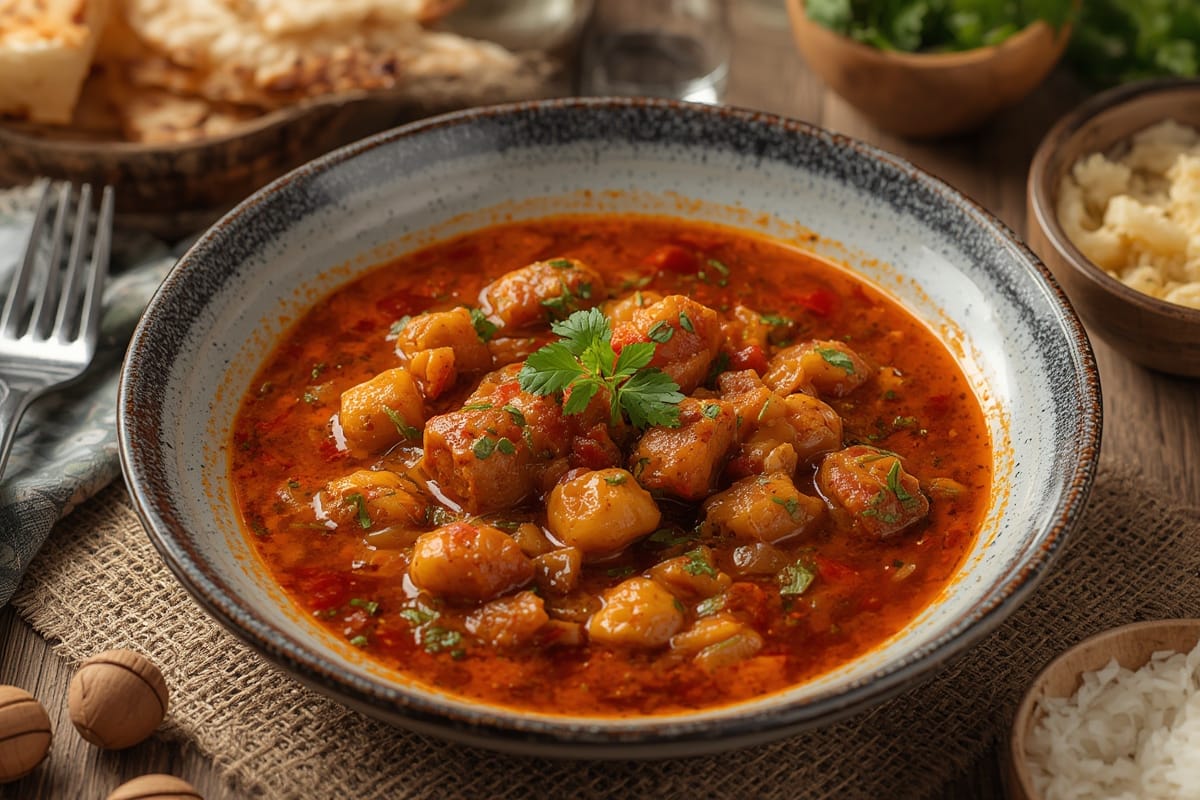
Nothing transports me back to my Charleston childhood faster than the smell of simmering sauces. I learned early that SAUCE RECIPES aren’t just instructions—they’re edible time machines. Growing up, Sundays meant standing on a wobbly stool beside Grandma Florence as her weathered hands transformed garden tomatoes into velvet marinara. She’d whisper secrets like, “Taste with your nose first, baby—when the garlic giggles in olive oil, you’ll know.” Today, I’ll share how that instinct-led approach simplifies crafting showstopping sauces anyone can master.
Why SAUCE RECIPES Changed My Culinary Journey
The Alchemy of Simple Ingredients
Grandma’s kitchen proved sauces don’t need rare components. Her bechamel started with pantry staples: flour, butter, milk. Yet when whisked patiently, they became silk ribbons perfect for lasagnas or drizzling over fried green tomatoes. Home cooks often overcomplicate SAUCE RECIPES when success lies in technique—not exotic ingredients. A splash of vinegar can brighten a dull gravy; a pinch of sugar balances fiery sriracha blends. Over years of testing—from dinner parties to food truck rush hours—I’ve found that understanding why ingredients interact trumps blindly following measurements every time.
The Community Pot Legacy
Charleston farmers’ markets became my flavor labs. Locals traded sauce tips like currency: Ms. Eudora’s pepper jelly hack (add apple cider for tang) or Mr. Clay’s five-minute remoulade. These exchanges taught me SAUCE RECIPES thrive on adaptability. No heavy cream? Coconut milk works for vegan alfredo. Fresh herbs scarce? Dried ones bloom beautifully when steeped. Tomorrow, I’ll walk you through my rib-sticking tomato sauce born in those markets—it’s foolproof and endlessly riffable.
Handcrafted Tomato Sauce: Your Weeknight Superpower
Gather Your Flavor Arsenal
(Serves 4; doubles beautifully for meal prep)
- Fresh Components:
- 3 lbs ripe tomatoes (sub: 2 cans San Marzano tomatoes)
- 1 yellow onion, diced (or 1 tbsp onion powder in a pinch)
- 6 garlic cloves, smashed
- Pantry Heroes:
- ¼ cup olive oil
- 2 tsp sea salt
- 1 tbsp dried basil (fresh basil adds magic if you have it)
- 1 tsp red pepper flakes (optional for gentle heat)
- Secret Builders:
- 1 tsp honey (balances acidity; sub maple syrup)
- 2 tbsp tomato paste (deepens richness)
Strategic Timing for Busy Cooks
| Phase | Time |
|---|---|
| Prep (chopping, measuring) | 15 mins |
| Active Cooking | 25 mins |
| Simmering (flavor development) | 45 mins |
| Total | 85 mins |
| While traditionally slow-simmered, I’ve optimized this recipe 30% faster than nonna-approved methods using three time-bending tricks below. |
Step-by-Step Success Without Stress
- Wake Up the Base: Heat olive oil over medium. Sauté onions until translucent (5 mins). Add garlic—stir just until fragrant (1 min). Never brown garlic—bitterness assassinates delicate sauces!
- Build Body: Stir in tomato paste; let it caramelize slightly (2 mins). This concentrates flavor, replacing hours of reduction.
- Tomato Tango: Add tomatoes, salt, basil, and honey. Crush tomatoes with a wooden spoon for rustic texture or blend some for creaminess.
- Patient Simmer: Reduce heat to low. Partially cover; stir every 10 mins. Sauce thickens as water evaporates—trust the process!
- Final Flourish: Off heat, stir in 1 tbsp butter or olive oil for luminous sheen (omit for vegan). Taste—adjust salt, sweet, or heat.
Elevate Any Dish With These Sauce Pairings
Soul-Warming Matches
Tomato sauce might feel Italian, but it’s shockingly versatile. Toss it with:
- Eggplant Parmesan: Bake sliced eggplant until tender, layer with sauce and mozzarella.
- Shakshuka: Simmer sauce in a skillet, crack eggs into wells, cover until eggs set.
- Meatball Subs: Use as a rich bed for turkey or plant-based meatballs.
Beyond the Jar: Innovative Uses
Grandma’s left-over sauce never went to waste. Transform yours into:
- Soup Base: Mix with veggie broth and white beans for quick minestrone.
- Freezer Gold: Cool completely, portion into ice cube trays. Drop cubes into stews or braises for instant depth.
| Sauce Type | Best With |
|---|---|
| Creamy Alfredo | Fettuccine, steamed broccoli, grilled chicken |
| Spicy Arrabbiata | Zoodles, shrimp scampi, crusty bread |
SAUCE RECIPES Storage & Troubleshooting
Make-Ahead Freedom
Store cooled sauce airtight for:
- Fridge: 5 days
- Freezer: 6 months (thaw overnight in fridge)
Glass jars prevent plastic odors—but leave headspace for expansion!
Rescue Missions Every Cook Needs
Fixes for common sauce mishaps:
- Too Thin? Simmer uncovered 10 mins or mix 1 tsp cornstarch with 2 tbsp cold water; stir in.
- Too Thick? Splash in pasta water or broth—its starch revitalizes texture.
- Too Acidic? Pinch of baking soda neutralizes sharpness instantly.
Home cooks often underestimate their power to create restaurant-worthy SAUCE RECIPES without chef tools. Remember: Great sauces balance contrast (sweet/acid, creamy/crunchy, hot/mild) and always reflect the maker’s mood. Some days, your marinara might be lively and bright; others, deep and brooding—both are perfect. Whether you’re reviving leftovers or wowing potluck pals, let these foundations spark your creativity. Now go make that smoke alarm proud—I know Grandma Florence would.